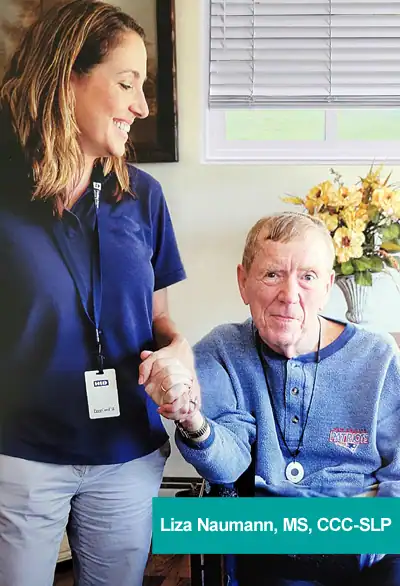

With more than 30 years of experience supporting stroke patients and families across home health, rehabilitation, assisted living, and skilled nursing settings, Liza provides educational guidance focused on recovery, swallowing safety, care transitions, and family support after a stroke.
394
For many families, one of the more unexpected challenges after a stroke involves swallowing.
Eating and drinking are activities most people rarely think about until they suddenly become difficult or unsafe. After a stroke, some individuals may experience changes in the muscles and coordination involved in swallowing, which can affect not only nutrition and hydration, but also comfort, confidence, and safety during meals.
These changes can feel confusing and overwhelming for both stroke survivors and their loved ones, especially when recommendations such as thickened liquids or texture-modified foods are introduced for the first time.
One of the most important things families can understand is that swallowing difficulties after stroke are actually quite common, and support is available.
What Are Swallowing Problems After a Stroke?
The medical term often used for swallowing difficulties is dysphagia.
A stroke can affect the brain’s ability to coordinate the complex muscle movements required for safe swallowing. Depending on the area of the brain affected and the severity of the stroke, swallowing changes may range from mild to more significant.
Some individuals may recover swallowing function relatively quickly, while others may continue to require ongoing support, strategies, or dietary modifications over time.
Common Signs Families May Notice
Swallowing difficulties do not always look the same from person to person. In some cases, the signs may be subtle.
Families may notice:
- Coughing or throat clearing during meals
- Difficulty chewing food
- Food remaining in the mouth after swallowing
- Wet or gurgly sounding voice after eating or drinking
- Taking an unusually long time to finish meals
- Avoiding certain foods or liquids
- Complaints of food “getting stuck”
- Frequent choking episodes
- Increased fatigue during meals
In some situations, individuals may not fully recognize or communicate the difficulties they are experiencing, which can make family observations especially important.
Why Swallowing Safety Matters
Safe swallowing is important for several reasons.
When food or liquid enters the airway instead of the esophagus, it can increase the risk of complications such as choking or aspiration. Aspiration occurs when food, liquid, or saliva enters the lungs instead of being swallowed safely.
This is one reason healthcare teams may recommend swallowing evaluations, dietary modifications, positioning strategies, or specific swallowing precautions after a stroke.
While these recommendations can initially feel frustrating or restrictive, they are often designed to help reduce risk while supporting nutrition, hydration, and overall safety.
Understanding Texture-Modified Diets
One of the more difficult adjustments for some families involves changes to food or liquid consistency.
Depending on the individual’s swallowing abilities, recommendations may include:
- Softer foods
- Minced or pureed textures
- Thickened liquids
- Smaller bites or sips
- Slower pacing during meals
Families sometimes worry that these changes mean progress is no longer possible. In reality, swallowing abilities can change over time, and recommendations are often adjusted based on ongoing recovery, safety, and reassessment.
The goal is not simply restriction, it’s helping individuals eat and drink as safely and comfortably as possible.
Mealtimes Can Become Emotional
Meals are often deeply connected to:
- comfort
- family routines
- social interaction
- independence
- quality of life
When swallowing difficulties arise, mealtimes can suddenly become stressful or emotionally difficult for both stroke survivors and caregivers.
Some individuals may feel embarrassed, frustrated, or discouraged. Family members may feel anxious about choking risks or uncertain about how much assistance to provide.
These reactions are completely understandable. Patience, reassurance, and open communication can make a meaningful difference during this adjustment period.
Can Swallowing Improve After a Stroke?
In many cases, yes swallowing can improve after a stroke.
However, recovery looks different for everyone. Improvement may depend on:
- the severity and location of the stroke
- overall health
- participation in therapy
- consistency of strategies
- time and healing
For some individuals, progress may happen relatively quickly. For others, improvements may occur more gradually over time.
It is important for families to understand that recovery is often not perfectly linear. There may be periods of improvement alongside periods of frustration or fatigue.
Questions Families May Want to Ask
Families often feel more confident when they better understand the reasoning behind recommendations and precautions.
Helpful questions may include:
- What specific swallowing concerns are present?
- Which foods or liquids are safest right now?
- Are there positioning strategies during meals?
- What signs should we watch for at home?
- How can we make meals safer and less stressful?
- Should swallowing abilities be reassessed over time?
- What goals are realistic right now?
No family should feel uncomfortable asking for clarification or additional support when swallowing concerns are involved.
Final Thoughts
Swallowing difficulties after stroke can feel unfamiliar and overwhelming at first, but families should know they are not alone in navigating these challenges.
With proper evaluation, individualized recommendations, patience, and support, many individuals are able to make meaningful progress over time. Even when difficulties persist, there are often strategies and adjustments that can help improve safety, comfort, and quality of life.
Most importantly, every individual’s recovery journey is unique. Compassion, realistic expectations, and ongoing support can make an enormous difference for both stroke survivors and the families caring for them.